
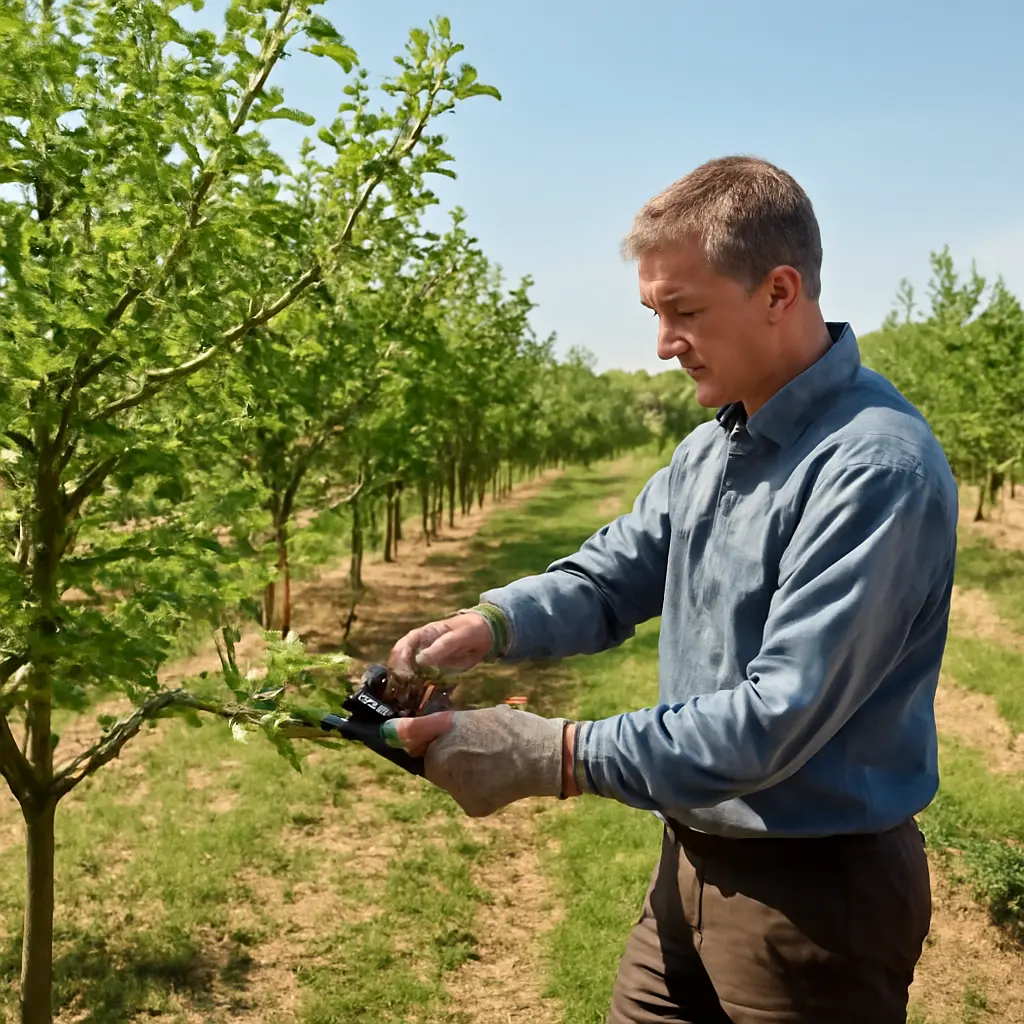
Tree and crop care becomes less exhausting when the right gear reduces lifting, repetitive hand work, and unnecessary trips across a property. For many growers and landowners, that means matching tools to the job: ergonomic hand pruners for small branches, pole saws for overhead cuts, carts for moving supplies, and powered equipment for larger or more demanding work. The best choice depends on the plants, terrain, workload, and the operator’s ability to use and maintain the equipment safely.
Garden Tools and Equipment: Gear That Reduces Effort in Tree and Crop Care
Tree and crop management includes pruning, weeding, harvesting, watering, and transporting materials. These activities can involve repeated motions, awkward postures, and heavy loads. The National Institute for Occupational Safety and Health identifies ergonomic hazards such as forceful exertion and repetitive movement as factors that can contribute to musculoskeletal injuries. Choosing suitable equipment can help reduce those demands, although no tool eliminates the need for correct technique, breaks, and task planning.
The gear that makes the greatest difference is often not the most powerful or expensive. Well-maintained hand tools can be effective for small tasks, while long-reach tools, carts, and appropriately selected powered equipment can limit strain and improve access. The sections below explain the main equipment categories, how to choose among them, and how to use them responsibly.
Ergonomic Garden Equipment: Tools That Reduce Repetitive Work
Ergonomic garden equipment is equipment designed or selected to fit the task and the user, helping reduce unnecessary force, awkward reach, or repeated movement. The Centers for Disease Control and Prevention’s National Institute for Occupational Safety and Health (NIOSH) describes ergonomics as the science of fitting workplace conditions and job demands to workers’ capabilities. In garden and orchard work, that principle applies to grip size, handle length, tool weight, cutting leverage, and work height.
Useful examples include bypass pruners, loppers, pole pruners, hoes, harvest containers, and wheeled carts. These tools are not interchangeable: a bypass pruner is suited to many small, live stems, while a saw or lopper is more appropriate for thicker branches. Choosing the correct tool can reduce repeated attempts and excessive force, but keeping blades sharp and working within the tool’s rated capacity remain essential.
Hand Pruners and Loppers
Hand pruners are compact cutting tools for small stems; loppers use longer handles to provide greater leverage on thicker branches. Bypass pruners cut with two blades passing each other, while anvil pruners press a blade against a flat surface. For many live plant stems, bypass designs make a clean cut; anvil designs may suit dry, dead material. The appropriate capacity varies by model, so users should follow the manufacturer’s specifications rather than force a cut.
Well-fitted handles and a comfortable grip matter, especially during repeated pruning. The University of California Statewide Integrated Pest Management Program recommends keeping pruning tools clean and sharp, and using appropriate pruning methods for the plant. Clean cuts can support sound plant care, while dull blades may require more effort and crush or tear stems. Disinfect tools when disease management guidance calls for it, particularly when moving between infected and healthy plants.
Pole Pruners and Pruning Saws
Pole pruners and pole saws extend the user’s reach, allowing some branches to be cut from the ground. They can reduce ladder use for suitable low-risk jobs, but they do not make every overhead cut safe. A long tool can be difficult to control, and falling branches, overhead power lines, and unstable footing remain serious hazards. The Occupational Safety and Health Administration advises keeping equipment and workers clear of electrical power lines; only qualified utility professionals should work near energized lines.
For larger limbs, a pruning saw may make a more controlled cut than forcing loppers beyond their capacity. Users should assess branch weight and direction before cutting and avoid standing beneath the limb. When a tree is large, damaged, near structures, or close to power lines, consult a qualified arborist rather than attempting the work with a longer tool.
Long-Handled Hoes and Weeding Tools
Long-handled hoes and weeders help control weeds while allowing the user to work from a more upright position. Options include stirrup hoes, scuffle hoes, and hand weeders, each suited to different soil conditions and weed sizes. A sharp hoe used with short, controlled strokes can reduce the need for prolonged bending, but soil that is wet, compacted, or full of stones may make the task harder.
For crop rows, tool width and handle length should suit the spacing between plants. Close cultivation can damage shallow roots or stems, so growers should work carefully near crops and use mulch or other integrated weed-management methods where appropriate. The United States Department of Agriculture’s Natural Resources Conservation Service describes mulch and cover practices as tools that can help protect soil; their suitability depends on the crop, local conditions, and management goals.
Material-Handling Gear: Moving Supplies with Less Lifting
Material-handling gear includes carts, wheelbarrows, garden wagons, harvest totes, and hose reels used to move tools, soil amendments, produce, or water. These devices can reduce the number of trips and the need to carry loads by hand. Their effectiveness depends on load size, wheel design, terrain, and the operator’s ability to push or steer them safely.
The U.S. Bureau of Labor Statistics reported that heavy and tractor-trailer truck drivers, laborers, and freight, stock, and material movers experienced a high number of workplace injuries involving overexertion and bodily reaction in its injury data. Those occupations are not directly comparable to home gardening, but the data reinforce a broader point: moving materials is a significant source of physical strain across many kinds of work.
Carts, Wheelbarrows, and Garden Wagons
A wheelbarrow carries a load over one wheel and is maneuverable in narrow spaces, while a garden cart or wagon commonly distributes weight across multiple wheels and can be easier to pull on suitable paths. Choose based on the load and site: a narrow wheelbarrow may fit between crop rows, whereas a four-wheel cart can be steadier on firm, level ground. On slopes or uneven surfaces, a heavy load can become difficult to control.
Rather than filling a cart to its maximum capacity by default, consider breaking heavy loads into smaller trips. Keep the load balanced and low, use paths that are as level and clear as possible, and avoid pulling or pushing beyond a comfortable effort. Pneumatic tires can improve movement on some surfaces, but they need maintenance and may puncture; solid tires avoid flats but can ride less smoothly.
Harvest Containers and Picking Equipment
Harvest containers include buckets, picking bags, field totes, and stackable bins used to collect and transport produce. A good container is light when empty, stable when filled, easy to clean, and sized so its full weight remains manageable. Picking bags can keep both hands available for harvesting, but a heavy bag may still strain the back or shoulders; frequent emptying into a nearby bin can limit that burden.
Picking poles and fruit-picking baskets can help reach some fruit without climbing, but they are not suitable for every tree or fruit type. Use them from stable ground, avoid working under loose or damaged limbs, and keep clear of electrical lines. For commercial or large-scale orchards, harvest systems should be matched to crop variety, tree architecture, and food-safety practices.
Hoses, Reels, and Watering Equipment
Hose reels, lightweight hoses, watering wands, and drip irrigation components can make watering more manageable by reducing dragging, carrying, and repeated manual watering. Drip systems deliver water near plant roots through emitters and tubing; they can be useful where targeted irrigation is appropriate. The U.S. Environmental Protection Agency’s WaterSense program notes that efficient irrigation practices, including watering according to plant needs and avoiding evaporation-heavy timing, can help conserve water.
The right setup depends on crop type, soil, climate, and water availability. A reel can prevent hoses from becoming trip hazards, while a wand can extend reach without forcing the user to bend toward every plant. Check hoses and fittings for leaks and make sure irrigation schedules reflect weather and soil moisture rather than relying on a fixed routine alone.
Powered Garden Tools: When Mechanization Is Worthwhile
Powered garden tools use electricity, batteries, or fuel to perform work that would otherwise require repeated manual effort. Examples include string trimmers, hedge trimmers, chainsaws, cultivators, and battery-powered pruners. They can save time on larger workloads, but add risks such as noise, vibration, sharp moving parts, exhaust, and loss of control. Power does not automatically mean safer or easier.
The Centers for Disease Control and Prevention’s NIOSH identifies noise exposure as a workplace hazard and notes that repeated or prolonged exposure to loud sound can damage hearing. Users should check equipment noise ratings, follow manufacturer instructions, and use suitable hearing protection when needed. Powered equipment should also be selected for the task, maintained, and operated with the guards and safety features in place.
Battery-Powered Pruners and Trimmers
Battery-powered pruners and trimmers use an electric motor to assist cutting or vegetation control. They may reduce repeated hand force for users managing frequent cuts, but blades can cause severe injuries and the battery adds weight. Keep hands away from cutting components, engage safety locks when not in use, and remove or isolate the battery before clearing jams or servicing the tool, following the product manual.
Runtime, battery compatibility, tool weight, and replacement costs are practical selection factors. For occasional light pruning, a sharp manual tool may be simpler and lighter. For repeated work across many plants, powered assistance may be worthwhile if the operator can control the tool comfortably and safely.
Chainsaws and Other High-Risk Equipment
Chainsaws are motorized cutting tools designed for wood, and they require specific training, protective equipment, and safe work practices. Kickback, falling limbs, and loss of balance can cause life-changing injuries. OSHA’s logging and chainsaw safety materials emphasize training, protective gear, and safe operating procedures for workers. Homeowners should not assume that a small saw is risk-free.
For tree work involving ladders, overhead cutting, storm damage, large limbs, or proximity to buildings and power lines, hiring a qualified tree-care professional is generally the safer choice. Powered equipment is most useful when the job is within the operator’s training and the tool’s intended use.
Choosing and Using Tree and Crop Gear
Selecting gear starts with defining the task, not shopping by brand or power rating. Consider plant size, frequency of work, terrain, storage, maintenance, operator strength, and safety requirements. A practical kit often combines a few reliable hand tools with a cart or watering system, adding powered tools only when the workload justifies them.
Match the Tool to the Task and the User
Tool fit includes grip comfort, handle length, total weight, reach, and ease of maintenance. Whenever possible, test a tool before buying it or compare its weight and grip dimensions with equipment already comfortable to use. Left-handed users, people with limited grip strength, and those managing joint pain may benefit from adjustable handles or specialized ergonomic designs, but fit is personal and should be evaluated in practice.
Plan work to reduce repeated travel: stage tools and containers near the work area, group similar tasks, and take breaks before fatigue affects control. The U.S. Centers for Disease Control and Prevention recommends practical injury-prevention measures in occupational settings, including reducing hazardous demands where feasible. For garden work, that principle supports using carts, adjusting work height, and rotating tasks rather than relying on strength alone.
Maintain Equipment and Use Protective Gear
Maintenance keeps tools functional and helps prevent avoidable failures. Inspect handles for cracks, cutting edges for damage, fasteners for looseness, and powered equipment for worn cords, guards, or batteries. Clean and store tools according to manufacturer guidance; keep blades protected and tools out of children’s reach.
Protective equipment should match the hazard. Depending on the task, that may include sturdy footwear, eye protection, gloves, hearing protection, or specialized chainsaw chaps and helmets. Gloves are not appropriate for every rotating or powered tool because they can create entanglement hazards, so follow the equipment manual and safety guidance rather than assuming one item is suitable for all jobs.
Consider Cost, Durability, and Environmental Impact
The lowest purchase price may not represent the lowest long-term cost. Compare expected lifespan, replacement parts, battery systems, repair options, and how often the tool will be used. Renting or borrowing specialized equipment can be more practical than buying it for a single job, while frequently used hand tools may justify a durable, repairable model.
Electric tools avoid direct exhaust emissions during use, although batteries and electricity have upstream environmental impacts. Manual tools need no fuel or charging but may demand more physical effort. The most appropriate option depends on workload, local energy sources, maintenance, and the user’s needs; there is no single tool category that is best for every garden or orchard.
Conclusion: Make Tree and Crop Care More Manageable
Ergonomic garden equipment can make routine work less exhausting by matching tools to the task and reducing avoidable force, awkward reach, and material handling. Hand pruners, loppers, pole tools, hoes, carts, harvest containers, irrigation equipment, and powered tools each serve different purposes. The most effective approach is to choose gear that fits both the job and the operator, maintain it well, and recognize when a task requires professional help.
Before the next pruning, planting, or harvest day, identify the most tiring steps and consider whether a better grip, longer handle, cart, or watering setup could reduce effort. For further guidance, consult local extension services, occupational safety resources, and qualified arborists for tree work. A thoughtful equipment choice can protect both the grower and the plants while making regular care more sustainable.
Sources: National Institute for Occupational Safety and Health, Ergonomics and Musculoskeletal Disorders, https://www.cdc.gov/niosh/ergonomics/; University of California Statewide Integrated Pest Management Program, Pruning and Training, https://ipm.ucanr.edu/PMG/GARDEN/FRUIT/CULTURAL/pruning.html; Occupational Safety and Health Administration, Electrical Safety, https://www.osha.gov/electrical; United States Department of Agriculture Natural Resources Conservation Service, Soil Health, https://www.nrcs.usda.gov/conservation-basics/natural-resource-concerns/soil/soil-health; U.S. Bureau of Labor Statistics, Injuries, Illnesses, and Fatalities, https://www.bls.gov/iif/; U.S. Environmental Protection Agency, WaterSense: Watering Tips, https://www.epa.gov/watersense/watering-tips; National Institute for Occupational Safety and Health, Occupational Noise Exposure, https://www.cdc.gov/niosh/noise/; Occupational Safety and Health Administration, Logging eTool: Chainsaws, https://www.osha.gov/etools/logging/chainsaws.